eng
Gift voucher
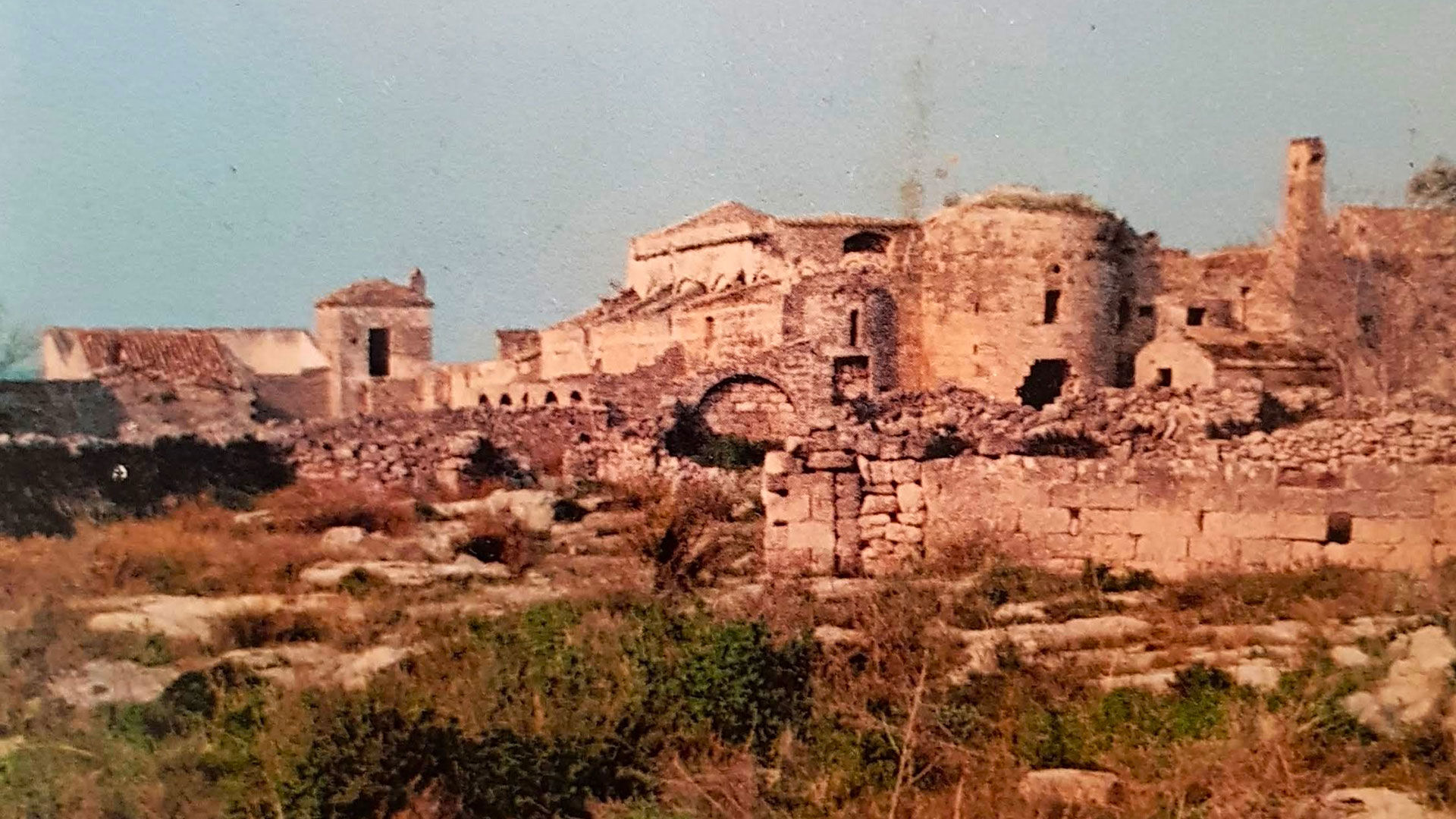
Relais Histò was born from the vision of Giovanni Colomba, an entrepreneur who chose to give new life to a place once thought forgotten.
When he first visited the hills of San Pietro sul Mar Piccolo in 1990, he was moved by the silence and the evocative power of its ancient stones. From there, a long journey of research and restoration began.
Every intervention was guided by the deep respect for the landscape and for its memories. Gradually, the underground structures, the Basilica, the oil mill and the courtyards were restored.
Today, Relais Histò stills captures Giovanni’s dream: a place where preservation and rebirth meet, where the calm of the Apulian countryside embraces the depth of three millennia of history.
The plateau now hosting Relais Histò was once inhabited by Iapygian communities, who used the limestone terraces to build huts, necropolises and sanctuaries.
With the arrival of the Taras colonists, the area became a productive hub: the rock was carved to create graves and quarries, supplying the stone used for the walls of ancient Taranto.
During the imperial era, a grand villa rose above the shores of the Mar Piccolo, supplied by an underground aqueduct coming from the Murge area.
Part of its ancient channel is still visible beneath the Basilica’s crypt, leading toward the coast, where the village once stood.
After the villa was abandoned, life moved up to the plateau where the Relais now stands.
In the 11th century AD, the monastery of Saints Peter and Andrew was founded, and the frescoed Basilica became the spiritual centre of the rural communities of the Mar Piccolo, a place where Latin and Greek rites coexisted.
After 1630, the monastery was transformed into a fortified farmhouse – known as masseria. The church was reduced in size and a large underground oil mill was built in the crypt, using the cool stone to produce high-quality olive oil. This period marked the site’s full agricultural vocation.
In the 18th century AD, the masseria took on the noble appearance still visible today in one the guest buildings.
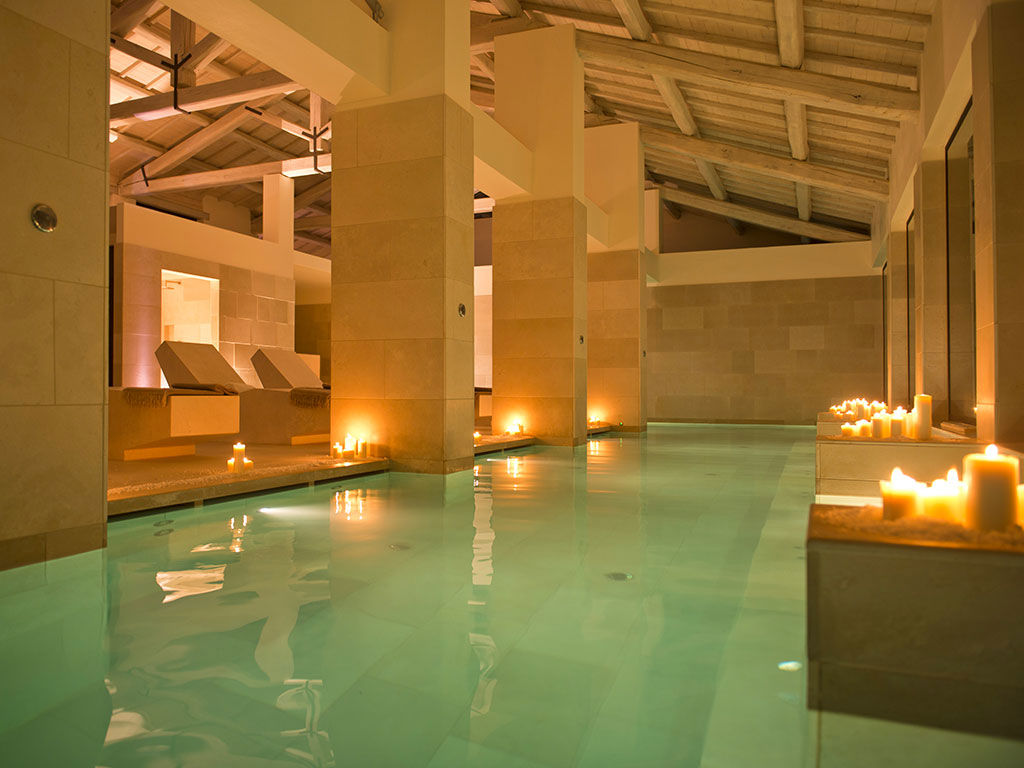
After decades of neglect, the complex was restored and reborn as Relais Histò, bringing together archaeological preservation, contemporary design and outstanding hospitality.