eng
Gift voucher
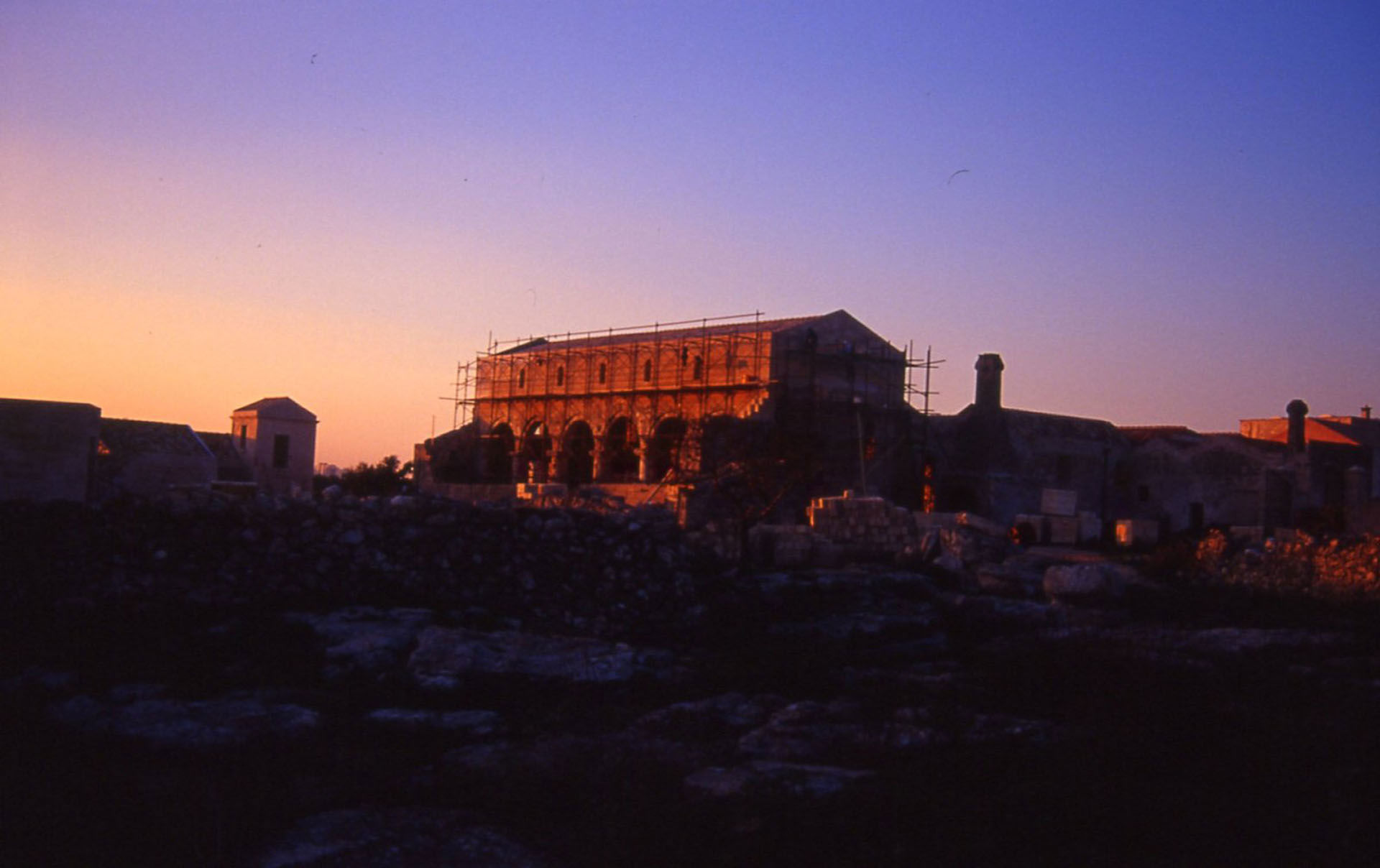
Scholar Silvia De Vitis has dedicated a study to the subterranean history of San Pietro sul Mar Piccolo, the site where Relais Histò stands today.
The Relais rises on the highest part of a limestone plateau, roughly 29 meters above sea level. Humans have lived here since protohistoric times, as evidenced by traces of ancient huts and settlements on the nearby hills.
In the Greek era, the bedrock was quarried to create tombs and vast stone quarries—so extensive that, according to the study, they may have supplied the stone used to build the walls of ancient Greek Taranto.
The most significant structure is a Roman aqueduct running diagonally across the entire estate, stretching from the Murge hills to the remains of a villa along the Mar Piccolo coast. The study also explores the underground olive oil mill and the history of the Monastery of Saints Peter and Andrew, which later became a masseria.
The Roman aqueduct can still be walked through today: during your stay, you can descend into its underground conduits and uncover a hidden piece of history beneath the estate. For archaeology enthusiasts, Taranto also offers MArTA, one of the most important museums of Magna Graecia.