eng
Gift voucher
Yes, Puglia is worth visiting in autumn and winter. The beach season is over, but the region trades it for a mild autumn, towns without crowds, the olive harvest and the new oil, a food calendar built around mushrooms, new wine and seafood, and long afternoons that end in a warm spa. This guide explains what changes after summer, what to do and how to plan a stay from October to February.
Key points
Most people know Puglia as a summer destination, and in July and August that is exactly what it is. After the summer the region changes character rather than switching off. The coast becomes a place for walks instead of sunbathing, the old towns go back to their residents and the countryside moves into its busiest season: harvesting grapes and olives, pressing oil, preparing the dishes of the cold months.
What you give up is the beach holiday. What you gain is time: museums without queues, restaurants where the menu follows what the land is producing that week, and baroque squares you can photograph without a crowd in the frame. For travellers who come for history, food and landscape rather than for the sea, autumn and winter are arguably the better season.
In autumn the climate in Puglia turns mild and nature changes colour, while the sea stays warm enough for boat trips and long walks on the beach. It is the most comfortable time to explore on foot or by bike.
Winter is cooler, and the upland villages of northern Puglia can even see snow. Pack layers rather than heavy winter gear: a warm jacket for the evenings, comfortable shoes for stone streets and a swimsuit for the spa.
If there is one reason to come in the off-season, it is olive oil. Nearly half of all Italian olive oil is pressed in Puglia, and its landscape is made of olive groves, many of them centuries old. The region has several PDO oils, from Collina di Brindisi to Terra di Bari and Terra d'Otranto, the latter produced in the province of Lecce and in many municipalities around Taranto.
Autumn is when the olives are picked and pressed, and many farms and masserie open their doors to visitors for the harvest. At the Relais Histò the olive groves are part of daily life: alongside the centuries-old trees already on the estate, the owners have planted around 9,000 olive trees, together with several hundred carob, oak and cypress trees and rarer species such as jujube, mulberry, fig, strawberry tree, myrtle and thyme. Guests can join a walk among the olive trees in the sea-view grove, with olive picking and a convivial tasting.
Puglia's cooking follows the seasons, and autumn and winter bring their own ingredients, like cardoncello mushrooms from the Murgia and vino novello, the young wine of the year, as the flavours to look for in autumn.
Around Taranto, wine has a particular setting. Inland, the historic cellars are carved into the calcarenite, the soft local stone, where the temperature stays constant all year: this is where Primitivo and Negroamaro are made, which makes a cellar visit as pleasant in January as in July. Other experiences work just as well in winter:
Winter light and empty streets suit Puglia's historic centres. These are the places we recommend, with distances from the Relais Histò near Taranto:
Taranto has one more reason to visit late in the off-season. During Holy Week, which falls in March or April depending on the date of Easter, the city's confraternities walk through the old town and the Borgo in slow processions. On the afternoon of Good Friday the procession of the Misteri leaves the church of the Carmine and returns only the following morning.
Cooler weather is the best weather for moving. Puglia can be crossed on a cycling grand tour of around two thousand kilometres along paths, quiet roads and country tracks, while walkers can follow the southern Via Francigena and the Cammino Materano.
Closer to Taranto, the Mar Piccolo lagoon, fed by 34 underwater freshwater springs and a regional park since 2020, can be explored along old droving tracks and the route of the Via Appia, among coastal towers and olive groves. The routes are easy, and bikes are free for guests at the Relais Histò. On horseback, you ride out of the estate to the shore of the lagoon, where the horses walk into the water. More ideas are collected on our page about what to do near Taranto.
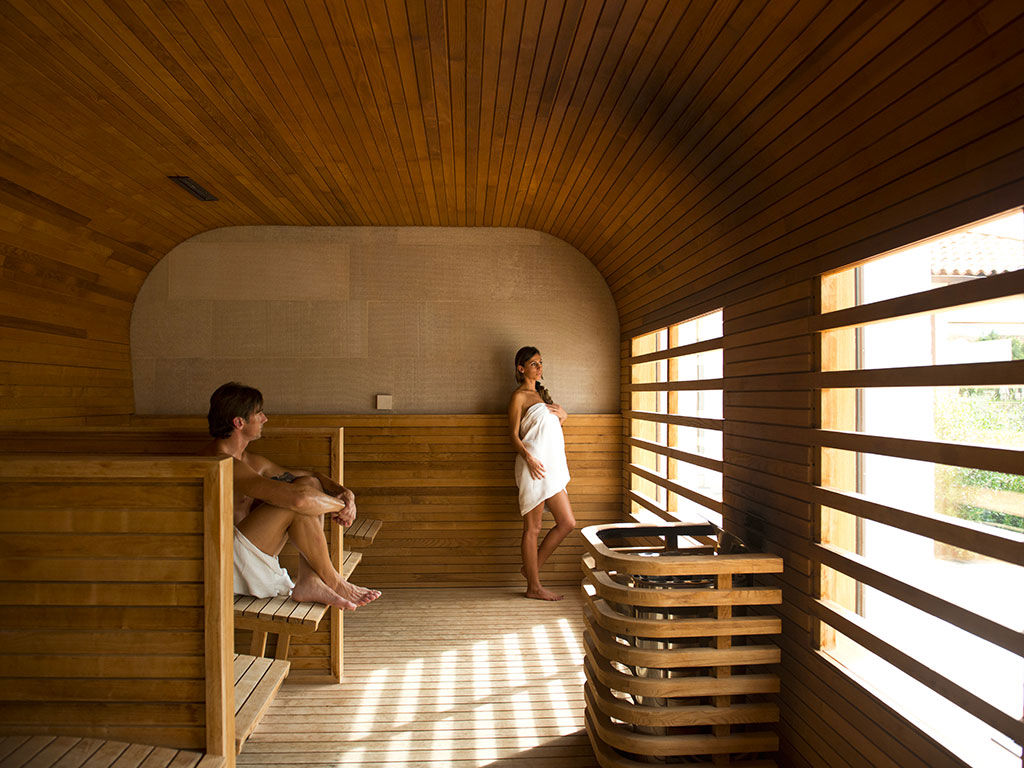
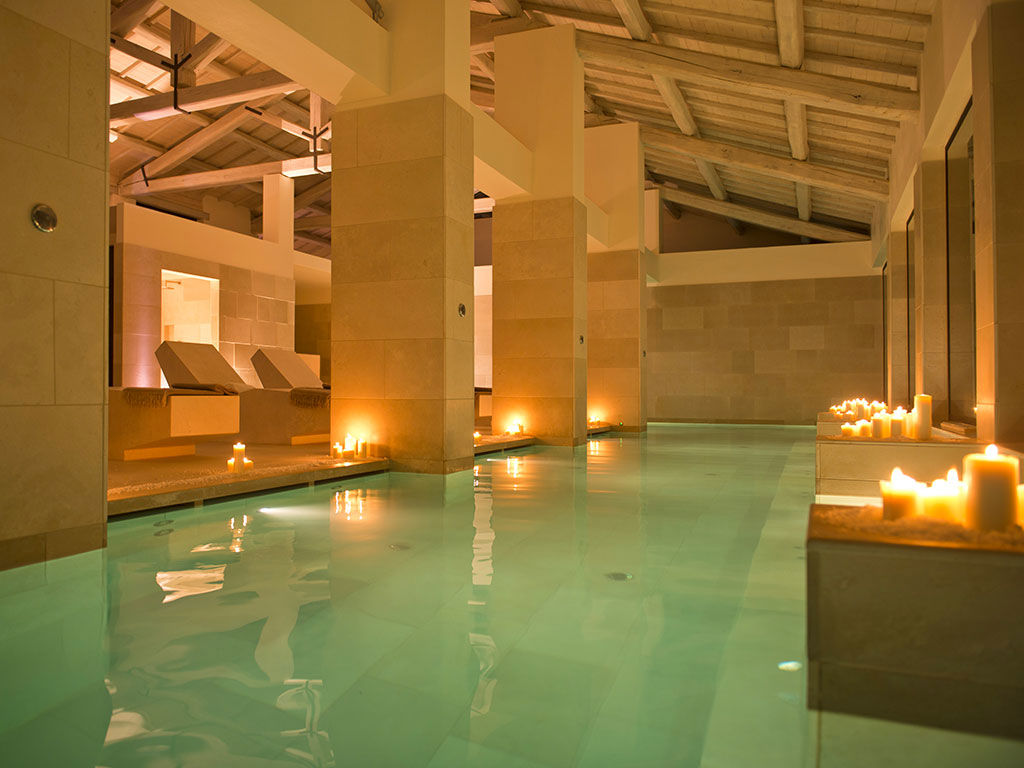
Winter is the season in which a spa makes the most sense. The spa at the Relais Histò covers 1,750 square metres, built where the old sheepfold and the shepherd's lodgings once stood. Its Percorso Terme Romane, a 100 minute journey inspired by Roman baths, moves from the Mare Secco sauna and the Mare di Vapore steam room to warm salt water pools, including the Sorgente del Mar Piccolo, which leads from indoors to the open sky. It ends in the Grotta del Fuoco, a natural trullo kept inside the spa. The wellness journeys page describes each option.
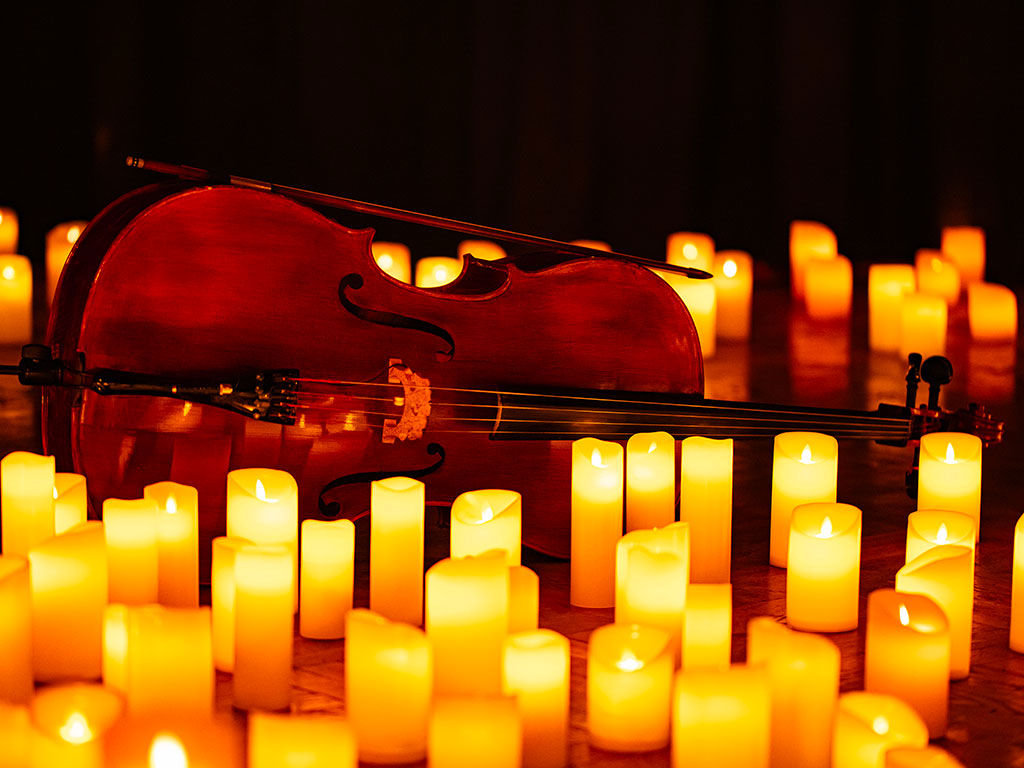
For a private evening, the Notte nel Trullo reserves the whole spa by candlelight from 8:30 to 10:30 pm, for 2 to 10 people, with herbal teas and prosecco. The tenth century Basilica on the estate is also the setting for candlelit concerts and sound baths with gongs and Tibetan bowls, where the stone gives a natural acoustic. See the Candlelight Experience for details.
In the off-season a central base makes more sense than moving every night. Taranto sits in a central position within Puglia, with the Itria Valley and the white towns to the north, Lecce to the south-east and Matera to the west. The nearest airports are Brindisi, 68 km away, and Bari, 120 km away.
The Relais Histò is open all year. It stands on a 150 hectare estate of centuries-old olive groves, kitchen gardens and old droving tracks, looking directly onto the Mar Piccolo, 14 km from Taranto. It is not a farmhouse converted into a hotel but a layered historic complex, with Greek quarries, a Roman aqueduct, caves, a basilica and a fortified estate. Its 48 rooms and suites are set between the old building and the cloister. For a wider view of the region's options, read our guide to luxury hotels in Puglia.
Yes, if you are travelling for history, food and landscape rather than for the beach. Towns and museums are quieter, the olive harvest and the new oil define the season, and a spa with warm pools makes cool days a pleasure.
Winter in Puglia is cooler than the rest of the year, and in the upland villages of the north it can even snow. Pack layers and a warm jacket for the evenings.
Visit Lecce, Alberobello, Ostuni, Matera and Taranto without crowds, taste the new olive oil, tour wine cellars carved into the rock, take a cooking class, ride or cycle through the countryside and spend an afternoon at the spa.
The olive harvest takes place in autumn, when many farms open to visitors. At the Relais Histò guests can walk among the olive trees of the sea-view grove, pick olives and join a tasting.
Yes. October is part of Puglia's mild autumn, when the sea can still be warm enough for boat trips and the countryside is busy with harvests, new wine and seasonal food.
Yes. The Relais Histò is open all year, so the spa, La Lanternaia restaurant and the estate can be enjoyed in autumn and winter too.
Puglia in the off-season is slower, warmer than most expect and full of flavour. Browse our stay offers and choose the weeks you want to see it at its most authentic.